
How to Track Pet Food and Household Supplies
Pet supply tracking is about quantities and purchasing decisions. Keep food, treats, litter and waste bags in distinct records, and use feeding information from an appropriate source rather than deriving it from inventory stock.
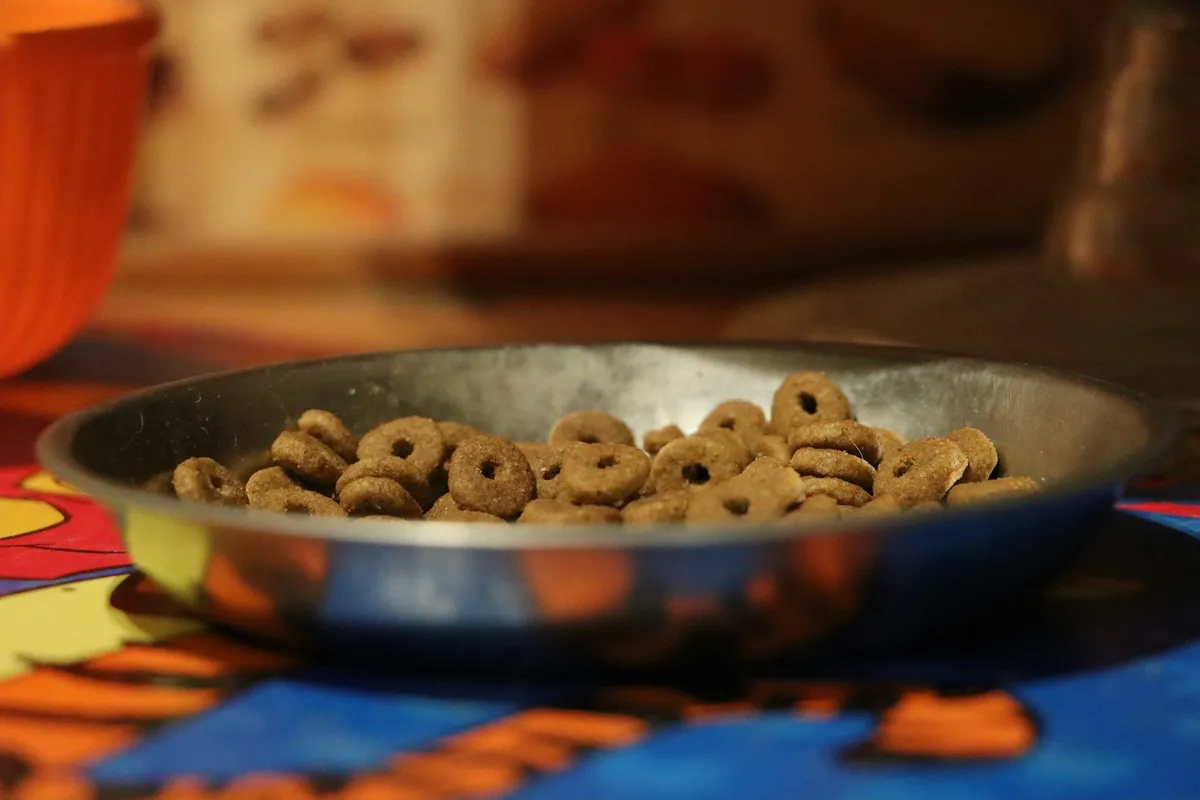
A practical workflow
- Weigh the food remaining in the current bag. Enter grams, not the original bag size if some food has already been used.
- Enter the daily amount per animal and the number of animals sharing that same measured amount. Use separate records where diets or portions differ.
- For litter, enter your observed daily product use per cat; for waste bags, enter bags used per day. Review these assumptions after routine changes.
- Record reserve bags in a different location only if they are intentionally separate stock. Recount after a delivery and export a backup of the updated list.
Worked example
A 3,000 g remainder at 100 g per animal per day for two animals lasts 3,000 ÷ (100 × 2) = 15 estimated days. This arithmetic does not recommend a 100 g ration. A 10,000 g litter reserve at 150 g per cat for two cats gives about 33.33 days.
A common mistake
Using a combined daily feeding amount while also entering two animals doubles the denominator. The field asks for the amount per animal; separate unequal portions instead of averaging without explanation.
Questions
Can treats be included as complete food? Keep them separate unless you intentionally want a combined mass record, which provides no nutritional assessment.
Will the site notify me from the background? No automatic background inventory sensing or cloud reminder service is provided.
Limits to keep in mind
Duration changes with actual use. Follow suitable product instructions and professional advice for animal care.