
How to Organize Kitchen Supplies with QR Codes
Kitchen inventories work best when package counts and measured remainders stay distinct. A sealed oil bottle and an open spice pack need different measurements, even if they share a shelf.
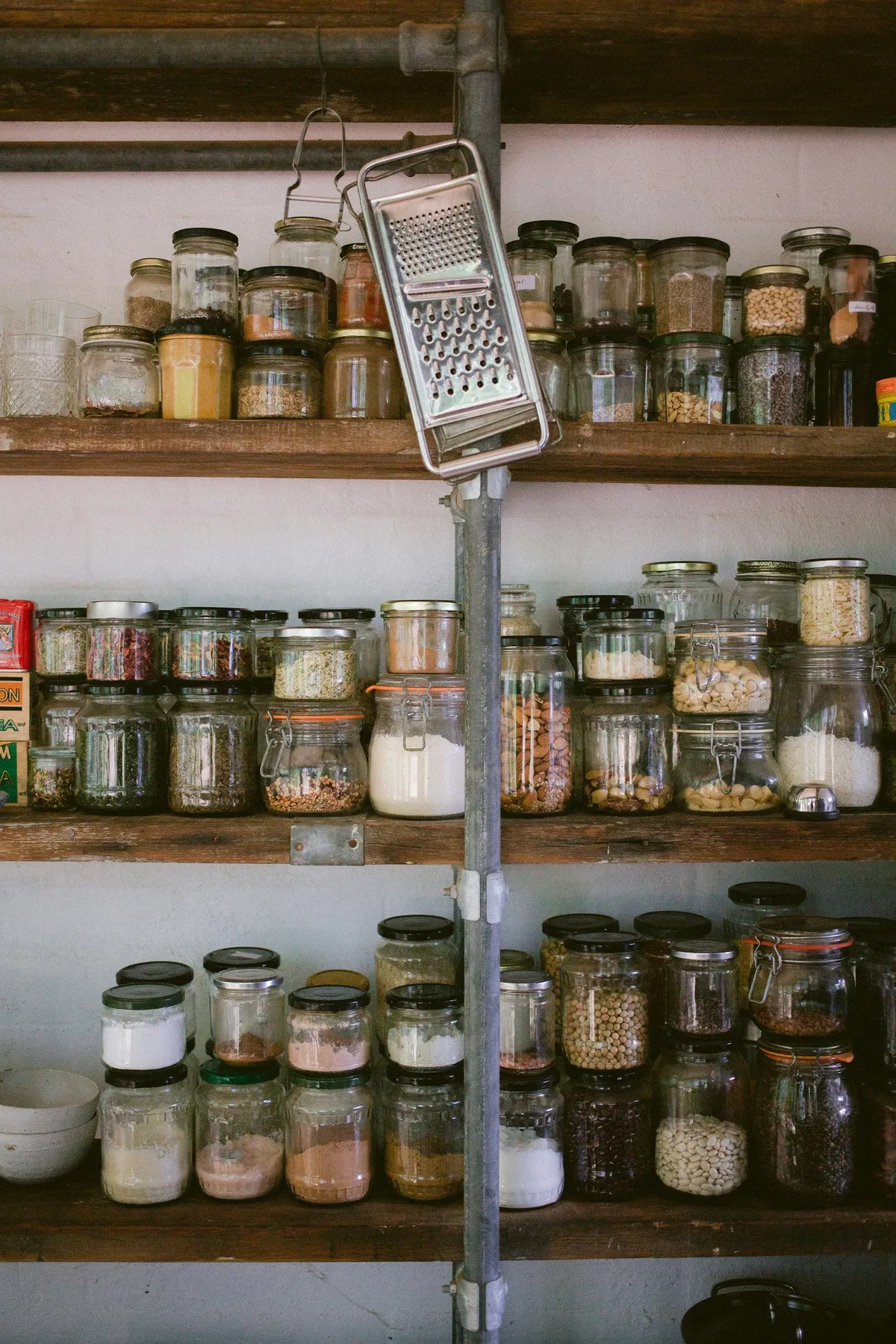
A practical workflow
- Divide the kitchen into locations you actually use: cooking shelf, baking cupboard and reserve shelf. Pick one location for each record.
- For seasoning bundles, enter the unopened bundle count, packs per bundle and individual open packs. Use separate records for unlike bundle sizes.
- For oil and liquid condiments, copy bottle capacity in millilitres and measure or estimate the open-bottle remainder. Do not count an empty bottle as stock.
- After receiving shopping, open the existing entry and add only the newly received sealed stock. Save, rebuild and replace its label.
Worked example
Two full 750 ml oil bottles plus a 250 ml remainder total 2 × 750 + 250 = 1,750 ml. Three seasoning bundles with six packs each and two open packs total 20 packs. These totals cannot be added together because they use different units.
A common mistake
Counting a liquid in a dispenser as both open-bottle remainder and a separate stock record doubles the inventory. Choose one counting boundary and write it in a note.
Questions
Should I combine every spice? Only if the record is intentionally a counted assortment. Keep products that you shop for separately in separate records.
Does an inventory estimate tell me whether food is fresh? No. Check packaging and actual condition independently.
Limits to keep in mind
Kitchen tools calculate entered quantities. They do not establish food safety, expiry or automatic consumption.